You Are Not Alone
We are with you, mama. You are worthy and you are worth love and support. It takes a village, they say, and, together, we will move into motherhood.
About Us
Founded in 2000, Postpartum Support Charleston is a non-profit organization that supports mothers across the Charleston Tri-county area struggling with maternal mental illnesses such as postpartum depression and anxiety.
Through our extensive moms-for-moms network, connection to diverse mental and physical health expertise, and genuine empathy, Postpartum Support Charleston is uniquely positioned to help mothers move into motherhood.
Our mission is to put mom first with an approachable, accessible safety net woven through moms helping moms – we believe that a healthy mom makes for a healthy baby and, ultimately, she and her family living their healthiest, happiest life.
Donate
Meal & Care Packages
Ways To Help
Who We Serve
Real Stories
Real Moms
Listen to these Charleston moms share their journey to motherhood and help to destigmatize the struggle around maternal mental illness.
Thank You
Program Sponsors


Thank You
Program Sponsors
Mission
We’re Here for You
Become a part of our safe, judgment-free online community. Share, support, and connect with moms like you across Charleston.
Events
Blog
Contact Us
A Message
From One of Our Moms
“Postpartum Support Charleston has helped me to feel less alone. I just got paired with a wonderful mom mentor and I’ve ‘met’ a few new friends and I’m hopeful I’ll meet more. I’m so grateful this is an available resource, I would not have had it available where we moved from. Just knowing I’m not alone in my thoughts is great but having others to talk to is amazing. Even just the posts on Facebook of the little reminders that we matter are a big help. Thank you so much.”
Calendar
Upcoming Events
Every
Sunday
Virtual Peer-Support Group
Need some emotional support but can’t seem to find the energy or time to get out of the house? You are not alone.
Event Info
Join us every Sunday for a Virtual Peer-Support Group led by Amber Weakley, our Program Coordinator for Support Services.
Group will be held once a week and we will discuss the ups and downs of motherhood. Bring any questions or topics that you wish to discuss with you to this group.
This group is open to any mothers who need some support. We encourage you to join us to meet other moms and know that you are not alone in this amazing yet difficult journey.
EVERY
Friday
Walk & Play Group
Let’s gather together and go for a walk! Afterward, we will hang out by the playground and let the littles play.
Event Info
Time: 10:00 am – 11:00 am
Place: Wannamaker County Park
11
May
2024 Mom’s Run
SAVE THE DATE!
Honor moms by supporting a cause that helps women and their families suffering from postpartum depression & anxiety.
Event Info
Philip Simmons High School
Blog
Our News & Announcements
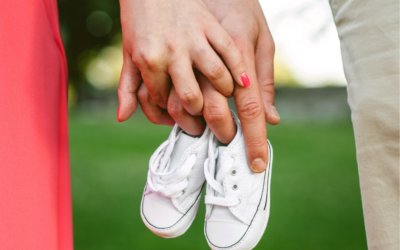
New Baby, New Relationship: How Motherhood Changes Us as a Couple
A new baby can really mix things up in a relationship. Read about ways to help regain that connection.
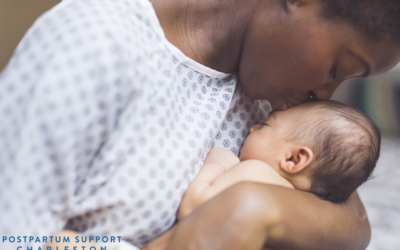
Birth Trauma: Causes, Symptoms and Ways to Heal
Birth trauma can take over your life as a new mom. Find ways to heal from your experience.
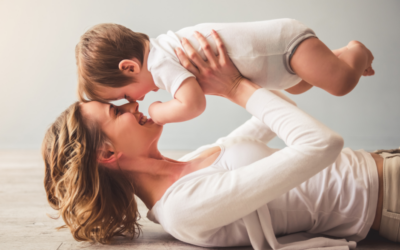
Finding your Mom-Confidence: Empowering Tips for New Mothers
Self-confidence isn’t an easy thing to come by when we are new moms. Why? And what can we do about it?
Meals Delivered
Moms Supported
Group Members
Years Established
Get In Touch
Address: 1605 Harbor View Rd., Charleston, SC 29412
Support Line: (843) 410-3585
Support Email: contact@ppdsupport.org
General Email: info@ppdsupport.org